
How Pretreatment Chemistry Shapes Dyeing Quality and Process Efficiency
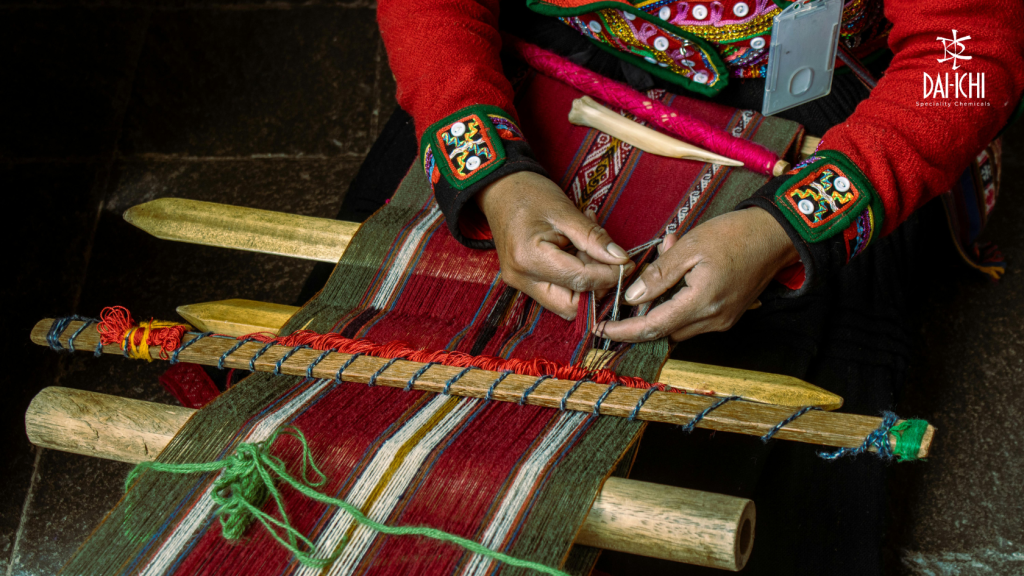
In textile manufacturing, the quality of dyeing is often judged by the final shade, color uniformity, and fabric appearance. However, these results are determined much earlier in the process. The foundation for successful dyeing is established much earlier during pretreatment, where specialty surfactants and auxiliaries prepare the fabric for uniform chemical interaction.
Why Dyeing Quality Begins with Pretreatment Chemistry
The primary objective of pretreatment is to prepare the fabric for uniform chemical processing by removing impurities such as natural waxes, pectins, spinning oils, knitting lubricants, and residual sizing agents. However, in modern textile manufacturing, effective pretreatment goes far beyond cleaning.
Pretreatment chemistry must create a uniformly absorbent fibre surface, ensure rapid liquor penetration, prevent contaminant redeposition, maintain process stability, and remain compatible with bleaching, dyeing, and finishing chemistries. When pretreatment is not properly optimised, manufacturers frequently experience:
- Uneven dye penetration
- Shade variation between production lots
- Reduced colour strength
- Patchy or streaky dyeing
- Increased reprocessing
- Higher water, chemical, and energy consumption
Rethinking Pretreatment Chemistry for Modern Textile Manufacturing
Higher production speeds, shorter processing cycles, automation, water conservation initiatives, and stricter environmental regulations have raised expectations for textile auxiliaries. Technical teams now require auxiliaries that perform consistently across:
- Continuous and batch processing
- High temperature operations
- Variable water hardness
- Diverse fibre blends
- Low liquor ratio dyeing machines
- High electrolyte environments
The Role of Specialty Surfactants in Pretreatment
While surfactants are often associated with lowering surface tension, their contribution to textile processing extends much further. They influence how rapidly processing chemicals penetrate fibres, how effectively oils are emulsified, how contaminants remain dispersed, and how stable the entire processing system remains throughout the treatment cycle. Several performance characteristics determine the effectiveness of a pretreatment auxiliary.
Rapid Wetting for Uniform Chemical Penetration
In high speed processing environments, rapid wetting ensures that treatment liquors reach every part of the fabric quickly and uniformly. This creates a consistent absorbent surface that supports even bleaching and dye uptake while reducing localized processing differences that can later appear as shade variation.
Efficient Emulsification Without Redeposition
Removing impurities is only part of the challenge. Once natural waxes, oils, and lubricants are detached from the fibre, they must remain emulsified throughout the treatment cycle. Poor emulsification allows contaminants to redeposit onto the fabric, creating inconsistencies that compromise dyeing quality and increase reprocessing.
Controlled Foam Generation
Foam remains one of the most common operational challenges in modern dyehouses. High foam levels reduce equipment efficiency, affect liquor circulation, and may interrupt continuous processing operations. Advanced low foam surfactants help maintain process stability without compromising cleaning performance.
Electrolyte and Temperature Stability
Pretreatment formulations frequently operate under varying temperatures and water qualities. Surfactants that remain stable in electrolyte rich environments and elevated temperatures deliver more predictable process performance across production batches.
Pretreatment Chemistry as a Competitive Advantage
As textile manufacturers face increasing pressure to deliver consistent quality while improving productivity and reducing resource consumption, pretreatment has become a critical contributor to manufacturing performance. Every improvement achieved during fabric preparation has a cascading effect on downstream operations, influencing dyeing consistency, finishing quality, production efficiency, and overall process economics.
Manufacturers supplying global apparel, home textile, and technical textile brands are expected to maintain tight colour tolerances and consistent quality across multiple production batches. Achieving these standards depends not only on dye selection but also on creating a uniform substrate through well engineered pretreatment chemistry.
For this reason, many leading manufacturers now evaluate pretreatment auxiliaries based on their ability to improve first pass quality, reduce process variability, and support stable production rather than simply their cleaning performance.
Sustainability Begins with Process Efficiency
Sustainability in textile manufacturing is often associated with reducing water consumption or replacing conventional chemicals. While these initiatives are important, one of the most effective ways to improve sustainability is by increasing process efficiency. When pretreatment chemistry delivers consistent performance, manufacturers benefit from higher first-pass success, reducing the need for corrective processing and minimizing unnecessary resource consumption. Reliable pretreatment systems contribute to:
- Lower reprocessing rates
- Reduced water and energy consumption
- Optimized chemical usage
- Shorter processing cycles
- Reduced effluent generation
- Improved overall manufacturing efficiency
Rather than adding more chemicals to resolve downstream issues, manufacturers can achieve better environmental and operational outcomes by selecting pretreatment auxiliaries that improve process reliability from the outset. This approach aligns sustainability with productivity, enabling manufacturers to reduce their environmental footprint while maintaining consistent product quality.
Dai-ichi’s Approach to Pretreatment Chemistry
At Dai-ichi, we believe effective pretreatment begins with understanding the challenges faced by modern textile manufacturers rather than applying standard chemical solutions.
Our expertise in specialty surfactants and textile auxiliaries enables us to develop application specific chemistries that address multiple processing requirements simultaneously, including rapid wetting, efficient emulsification, controlled foam generation, and reliable performance under varying operating conditions.
By combining formulation expertise with strong R&D capabilities, we work closely with customers to evaluate fibre characteristics, process parameters, water quality, and manufacturing objectives. This collaborative approach allows us to recommend solutions that improve dyeing consistency, reduce process variability, and enhance overall production efficiency.
As manufacturing requirements continue to evolve, our focus remains on developing innovative surfactant technologies that help customers achieve both operational excellence and sustainability objectives.
Partner with Dai-ichi for High Performance Textile Auxiliaries
With more than six decades of expertise in specialty chemicals, Dai-ichi develops advanced surfactants and textile auxiliaries that help manufacturers optimize pretreatment, improve dyeing consistency, and enhance process efficiency.
Our application driven approach combines formulation expertise, technical support, and continuous innovation to develop solutions tailored to the evolving needs of the textile industry.
Looking to improve dyeing quality, optimize textile wet processing, or develop high performance pretreatment systems? Connect with Dai-ichi to explore application-specific surfactant and auxiliary solutions designed for modern textile manufacturing.
📞 +91 72087 26483 🌐 www.dai-ichiindia.com 📩 sales@dai-ichiindia.com
- How Pretreatment Chemistry Shapes Dyeing Quality and Process Efficiency
- Managing Asphaltene Deposition in Crude Oil Production: Advanced Chemical Strategies for Improved Flow Assurance
- The Role of Specialty Chemicals in Advancing Home & Personal Care Formulations
- Importance of Specialty Chemicals in Sustainable Agrochemical Formulations
- How Textile Chemicals Improve Color Consistency and Dyeing Process Efficiency